What is love bombing, and how is it an early sign of abusive relationship?
- Mar 2, 2025
- 3 min read
Updated: Mar 4, 2025
Love bombing is a manipulation tactic characterized by excessive displays of affection, attention, and gifts early in a relationship. It's designed to quickly create a strong emotional bond and make the recipient feel overwhelmed and indebted to the abuser.
"Love bombing," a term gaining traction in discussions of relationship dynamics, describes a manipulative strategy where an individual inundates a new partner with overwhelming displays of affection and attention. This tactic, characterized by rapid declarations of love, extravagant gifts, and constant contact, serves to forge an intense emotional bond and cultivate dependence. Experts warn that this behavior, while seemingly romantic, often masks a desire for control. By creating a sense of indebtedness and emotional reliance, the "love bomber" establishes a power imbalance, laying the groundwork for future manipulation and devaluation of the partner.
The practice highlights the critical distinction between genuine affection and calculated emotional manipulation, raising awareness about the subtle forms of control that can manifest in intimate relationships.

Here's what love bombing often looks like:
Intense and rapid expressions of love: Saying "I love you" very early on, declaring you're their "soulmate," or making grand gestures of affection.
Constant attention: Bombarding you with texts, calls, and social media messages, making you feel like you're the center of their universe.
Excessive gifts and favors: Lavishing you with presents, taking you on extravagant dates, or doing things that seem too good to be true.
Idealizing the relationship: Portraying the relationship as perfect and destined, ignoring any potential red flags or incompatibilities.
Moving the relationship very quickly: Pressuring you to commit, move in together, or get married early on.
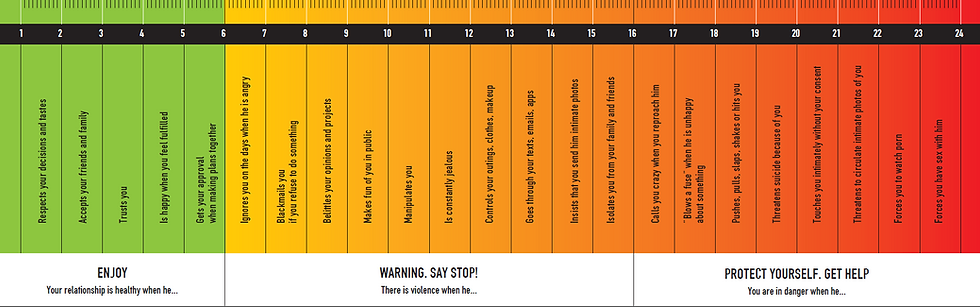
Isolating you from others: Attempting to cut you off from friends and family, making you feel like they're your only source of support.
Why love bombing is a sign of an abusive relationship
Love bombing is a red flag because it's a form of control. Abusers use it to:
Gain your trust and dependence: By creating a strong emotional bond quickly, they make you more vulnerable to manipulation.
Create a sense of obligation: The excessive gifts and attention can make you feel indebted to them, making it harder to say no or set boundaries.
Isolate you from your support system: By monopolizing your time and attention, they can cut you off from friends and family, making you more dependent on them.
Establish a power dynamic: The intensity of the love bombing can create a sense of imbalance, where the abuser holds all the power.
Set the stage for future abuse: Once they've established control, they may begin to introduce subtle forms of manipulation and control, gradually escalating to more overt forms of abuse.
Is it always a sign of an abusive relationship?
While love bombing is a significant red flag, it's not always a definitive sign of an abusive relationship. Some people may genuinely be enthusiastic and affectionate early on. However, the key difference is the intensity and intent.
Genuine affection is typically balanced and respectful. It allows for healthy boundaries and doesn't try to isolate you. Love bombing, on the other hand, is excessive, manipulative, and often used to control and isolate the victim.
If you're unsure, pay attention to these factors:
Boundaries: Does the person respect your boundaries?
Pace: Is the relationship moving at a comfortable pace for both of you?
Control: Does the person try to control your time, activities, or relationships?
Consistency: Is their behavior consistent, or do they have sudden mood swings or outbursts?
If you feel uncomfortable or pressured, trust your instincts. It's always better to be cautious and prioritize your safety.