How to Detect Sexual Coercion in a Relationship
- Mar 3, 2025
- 2 min read
Sexual coercion, a pervasive yet often hidden form of abuse, undermines autonomy and violates personal boundaries. It involves using pressure, manipulation, or force to obtain sexual contact without genuine consent. This abuse can be verbal, emotional, or physical, encompassing tactics that range from subtle guilt-tripping to overt threats. Sexual coercion is a grave violation of trust, causing significant psychological and emotional harm, and it is a form of abuse, regardless of the victim's gender or sexual orientation.

Consent is the cornerstone of healthy sexual interactions. It is not a one-time declaration but an ongoing, freely given, and enthusiastic agreement. Consent is not assumed, even within established relationships. Just because you've consented to sexual activity in the past doesn't mean you automatically consent in the present. Consent can be withdrawn at any time, even mid-act. It's not consent if you're pressured, manipulated, or afraid to say no. In LGBTQ+ relationships, it's crucial to dismantle harmful stereotypes. The prejudice that gay men "always" volunteer for sex or that non-penetrative sex cannot constitute assault is false and dangerous. Consent applies to all sexual acts, regardless of gender or sexual orientation.
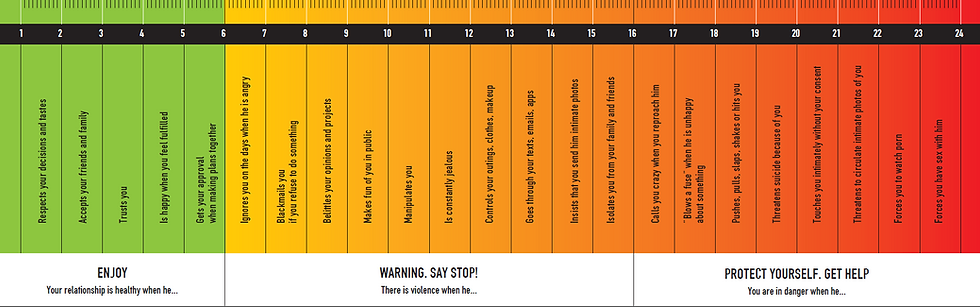
Detecting sexual coercion requires vigilance and self-awareness. Common tactics include making you feel obligated ("You owe me"), using insincere compliments, badgering or yelling, using drugs or alcohol to lower inhibitions, playing on relationship dynamics ("Sex is how you prove your love"), reacting negatively to "no," threatening consequences, or normalizing their expectations ("I'm a guy, I need it"). In LGBTQ+ relationships, this can manifest as exploiting fears of being outed, using gender identity as leverage, or dismissing non-normative sexual practices as invalid.
If you recognize these patterns, it's vital to prioritize your safety and well-being. Establish clear boundaries, communicate your limits, and don't hesitate to say "no." Remember, you have the right to control your body and your sexuality. If your partner disregards your boundaries, it's a serious red flag.
Open communication is essential. Discuss your comfort levels with your partner, and don't be afraid to address any concerns. If you feel pressured or coerced, seek support from trusted friends, family, or a professional counselor. Sharing your experiences can help you process your emotions and develop strategies for staying safe. For LGBTQ+ individuals, connecting with LGBTQ+-affirming resources can provide vital support and understanding. Discussing sexual coercion outside the relationship, especially with a professional, can provide objective perspective, and help you understand your options. If you feel it is safe to do so, address the issue with your partner, but only when you feel safe, and you have support. It is important to remember that you are not alone, and help is available.
Sources: