How Pop Culture Normalizes Abusive Relationships, and How It Impacts Your Reality
- Mar 2, 2025
- 2 min read

The normalization of abusive relationships in pop culture is a pervasive issue, deeply embedded in our society through movies, music, and television. These mediums, while often entertaining, can inadvertently shape our perceptions of what constitutes acceptable relationship dynamics, blurring the lines between passion and toxicity. This insidious normalization has real-world consequences, impacting how individuals perceive and experience their own relationships.
Movies and TV shows often romanticize possessiveness, jealousy, and control, portraying these behaviors as signs of intense love. Scenes depicting physical altercations might be presented as dramatic or thrilling, minimizing the devastating impact of violence. When abusive behavior goes unpunished or is presented with sympathetic undertones, it sends a dangerous message that such actions are excusable. The 2024 film adaptation of Colleen Hoover's "It Ends With Us," despite its star-studded cast, faced criticism for seemingly glamorizing domestic abuse, highlighting the potential for entertainment to trivialize real-life trauma.
Similarly, popular music often perpetuates unhealthy relationship dynamics. Lyrics that glorify aggression, dominance, and manipulation can desensitize listeners to the seriousness of domestic violence. Songs like SZA's "Kill Bill" or Carrie Underwood's "Before He Cheats," while catchy, reinforce negative stereotypes and distort perceptions of healthy relationships. The repetition of these themes can normalize problematic behaviors, making them appear acceptable or even desirable. While some songs, like Rihanna and Eminem's "Love the Way You Lie," attempt to portray the complexities of abusive relationships, they can also inadvertently contribute to victim-blaming or misinterpretations.
The glamorization of toxic relationships extends beyond romantic partnerships, influencing our understanding of friendships, workplace dynamics, and family relationships. Aggressive behaviors, whether psychological, emotional, or physical, become normalized, making it harder to recognize warning signs and red flags. This can perpetuate the cycle of abuse, as individuals may unknowingly tolerate or even perpetuate harmful behaviors.
Challenging this normalization requires a multifaceted approach. It begins with individual awareness and a willingness to critically examine the media we consume. We must dismantle deep-rooted cultural norms that condone violence and create an environment of respect and understanding. This involves:
Critical Consumption: Actively questioning the messages conveyed by movies, music, and television.
Promoting Healthy Representations: Supporting media that portrays healthy relationships and condemns violence.
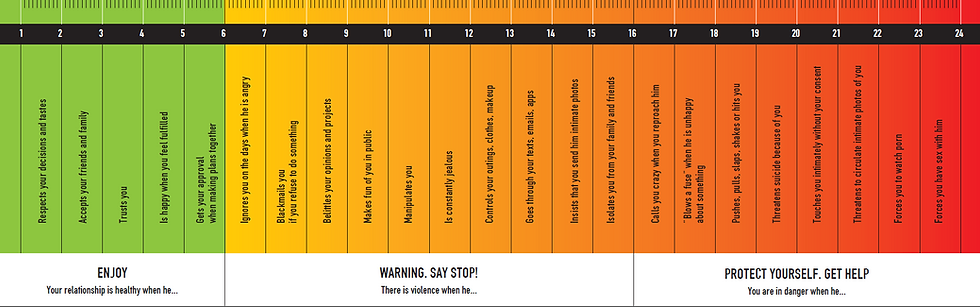
Education and Awareness: Educating ourselves and others about the signs of abusive relationships and the impact of normalization.
Supporting Survivors: Providing support and resources to survivors of domestic violence.
Challenging Harmful Norms: Actively challenging and speaking out against behaviors that normalize abuse.
By recognizing the influence of pop culture and taking proactive steps to challenge its harmful representations, we can create a society where healthy relationships thrive and abuse is no longer normalized.